When planning a new fence, homeowners often weigh various material combinations to achieve the perfect balance of aesthetics, durability, and maintenance. One interesting concept that frequently comes up in discussions is the idea of a metal fence with vinyl posts. While perhaps not the most common pairing, understanding the feasibility and implications of such a design can open up new possibilities for your property. This post aims to provide a comprehensive look into this specific combination, addressing common questions and offering expert insights to help you make informed decisions about your fencing project.
We'll explore the practicalities, advantages, and disadvantages of using different materials together, ensuring you have all the information you need before you start building. Whether you're envisioning a sleek, modern look or a robust, secure perimeter, knowing your options is the first step toward a successful installation.
Can you use metal posts for vinyl fence?
Yes, absolutely, and it's a very common and effective practice, especially for enhancing the structural integrity of a vinyl fence. While vinyl posts are robust and durable on their own, inserting a metal post (typically galvanized steel) inside a vinyl post sleeve provides superior strength, making the fence more resistant to high winds, impacts, and general wear and tear. This method is often employed for gate posts, corner posts, or along long stretches of fence where extra stability is desired.
The process usually involves sinking a metal post into concrete, then sliding a vinyl post sleeve over it. This completely conceals the metal post, maintaining the clean, uniform aesthetic of vinyl fencing. The vinyl acts as a protective layer for the metal, shielding it from moisture and UV rays, which prevents rust and degradation. This combination leverages the best qualities of both materials: the strength and rigidity of metal with the low-maintenance beauty and weather resistance of vinyl.
For homeowners considering a metal fence with vinyl posts (where the metal forms the panels and vinyl forms the posts), the principle of using vinyl as an aesthetic and protective sleeve for a structural core is still relevant. If you're looking to combine metal panels with vinyl posts, the vinyl posts themselves would need to be engineered to bear the weight and stress of the metal panels, or they would similarly act as sleeves over a stronger internal structure.
Ultimately, using metal for structural support within or alongside vinyl components is a smart engineering choice that ensures your fence stands strong for decades. It's a testament to the versatility of modern fencing materials and how they can be combined to meet specific needs for durability and appearance.
What is the best time of the year to install a fence?
While a fence can technically be installed any time of year, certain seasons offer distinct advantages that can make the process smoother and potentially more efficient.
Spring and Fall are often considered the ideal times for fence installation. During these seasons, the ground is typically softer and easier to dig than in the frozen depths of winter or the hardened soil of a dry summer. The moderate temperatures are also more comfortable for installation crews, leading to more efficient work. In spring, you can enjoy your new fence throughout the warmer months, while a fall installation ensures your property is secured and looking great before winter sets in.
Summer installations are also very common, though they can present challenges. The ground might be harder due to prolonged dryness, requiring more effort for digging post holes. High temperatures can also make working conditions more strenuous. However, summer offers long daylight hours, which can be beneficial for larger projects. It's also a popular time for home improvements, so scheduling might require booking further in advance.
Winter installations are feasible, especially in regions with milder winters, but they come with their own set of difficulties. Frozen ground can make digging extremely challenging, often requiring specialized equipment. Concrete curing times can also be extended in colder temperatures. While some homeowners opt for winter installation to take advantage of potentially shorter lead times, it's generally a more demanding period for fence builders.
Ultimately, the "best" time depends on your specific circumstances, local climate, and the availability of professional installers. Planning ahead, regardless of the season, is key. Professional companies like The Vinyl Outlet can assess your property and provide expert advice on the optimal timing for your specific project, ensuring a smooth installation process from start to finish.
What are the disadvantages of using metal fence posts?
While metal fence posts offer undeniable strength and durability, they do come with certain disadvantages that are worth considering, especially when comparing them to vinyl alternatives or contemplating a metal fence with vinyl posts design.
One of the primary concerns with metal posts, particularly steel, is their susceptibility to corrosion and rust. Unless they are properly treated, galvanized, or coated, exposure to moisture, humidity, and certain soil conditions can lead to rust over time. This not only compromises the structural integrity of the post but can also stain surrounding materials or simply look unsightly. Regular maintenance, such as repainting or re-sealing, might be required to prevent this, adding to the long-term upkeep.
Aesthetics can also be a disadvantage. While some modern designs intentionally feature exposed metal, for many homeowners, the industrial look of a bare metal post doesn't align with their desired curb appeal, especially if they are aiming for a more uniform or traditional aesthetic. If not sleeved, metal posts can stand out, potentially clashing with other elements of your landscaping or home exterior.
Another factor is heat conductivity. Metal posts can become very hot in direct sunlight, which might be a consideration in areas where children or pets could come into contact with them. While this is rarely a critical safety issue for fences, it's a difference from vinyl, which remains relatively cool to the touch.
Finally, the initial cost of high-quality, treated metal posts can sometimes be higher than standard vinyl posts. While the longevity can offset this, it's an upfront investment to consider. When comparing, it's important to weigh the initial outlay against the long-term maintenance requirements and aesthetic preferences. For those seeking the strength of metal without its visual drawbacks, sleeving metal posts with vinyl offers an excellent compromise, combining the best attributes of both materials.
What are the negatives of vinyl fencing?
Vinyl fencing has surged in popularity due to its many advantages, but like any material, it does have a few potential negatives that homeowners should be aware of before making a decision. Understanding these can help set realistic expectations and ensure vinyl is the right choice for your property.
One of the most frequently cited drawbacks is the initial cost. Vinyl fencing typically has a higher upfront price tag compared to traditional wood fencing. While this investment is often recouped over time through significant savings on maintenance (no painting, staining, or sealing required), the initial outlay can be a consideration for some budgets.
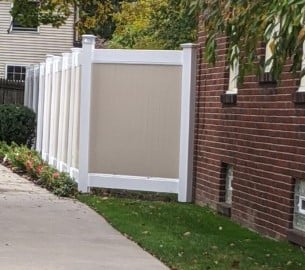
Another point to consider is the limited range of styles and colors compared to wood. While modern vinyl fencing offers a good variety of designs, including privacy, semi-privacy, picket, and even some textured options that mimic wood grain, it still doesn't offer the same level of customization or natural variation that real wood provides. If you're looking for a very specific, unique color or a rustic, natural aesthetic, wood might offer more options.
While highly durable, vinyl fences are not entirely impervious to damage. Extreme impacts, such as from a vehicle or a very heavy falling object, can cause panels to crack or shatter. Unlike wood, which can often be patched or repaired more subtly, a damaged vinyl section typically requires full panel replacement, which can sometimes be more involved. However, the modular nature of vinyl fencing often makes panel replacement straightforward for professionals.
Finally, older or lower-quality vinyl products could sometimes exhibit issues like chalking or slight discoloration over many years due to prolonged UV exposure. However, advancements in manufacturing have largely mitigated these concerns, with high-quality vinyl products from reputable suppliers like The Vinyl Outlet formulated with UV inhibitors to resist fading and maintain their appearance for decades.
Despite these points, for many homeowners, the unparalleled low maintenance, longevity, and clean aesthetic of vinyl fencing far outweigh these potential negatives, making it an excellent long-term investment.
Ready to explore the best fencing solutions for your home? Whether you're considering a metal fence with vinyl posts, a full vinyl fence, or other options, our team of experts is here to help. Contact The Vinyl Outlet today for a free quote and let us help you design and install the perfect fence that meets your needs and enhances your property's appeal.