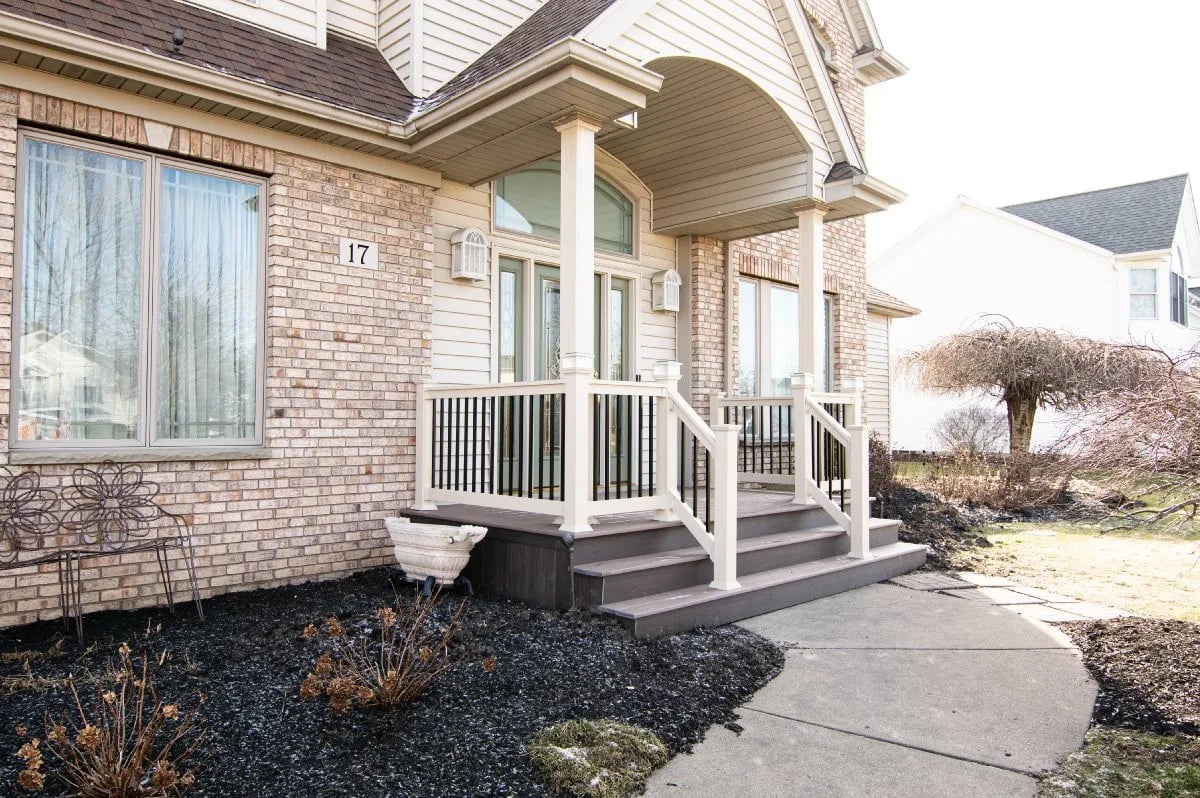
When it comes to enhancing your outdoor living space, choosing the right decking material is a significant decision. Vinyl decking has emerged as a highly popular option, known for its durability, low maintenance, and aesthetic appeal. However, with any major home improvement, it's natural to have questions and want to understand all aspects before making a commitment.
At The Vinyl Outlet, we believe in empowering our customers with knowledge. This comprehensive Q&A post is designed to address the most common inquiries about vinyl decking, providing you with clear, helpful, and expert-backed information. We'll dive into everything from potential drawbacks to comparisons with other materials, helping you determine if vinyl decking is the perfect fit for your home.
What are the disadvantages of vinyl decking?
While vinyl decking offers a host of benefits, it's important to consider potential disadvantages to make an informed decision. One of the primary considerations is the initial investment. Vinyl decking typically has a higher upfront cost compared to traditional wood decking. However, it's crucial to view this as a long-term investment, as its durability and minimal maintenance requirements often lead to significant savings over its lifespan, offsetting the initial expense.
Another point to consider is the range of aesthetic options. While vinyl decking comes in various colors and textures, it may not offer the exact natural wood grain patterns or the ability to be stained in custom colors that traditional wood provides. For some homeowners, the authentic look and feel of natural wood are paramount, and vinyl, being a manufactured product, has a distinct appearance. However, advancements in manufacturing continue to improve the realism of vinyl's wood-look options.
Darker vinyl colors can also absorb and retain more heat than lighter colors, making the deck surface hotter to the touch on very sunny days. This is a common characteristic of many dark-colored outdoor materials, but it's something to keep in mind if you anticipate frequent barefoot use in direct sunlight. Lastly, while vinyl is incredibly durable, it is a plastic product. In rare instances, extreme impacts could potentially cause damage that might be more challenging to repair seamlessly than patching a wood board. Despite these points, for many homeowners, the advantages of vinyl decking, such as its longevity and low maintenance, far outweigh these considerations.
Which is better, vinyl or composite decking?
The choice between vinyl and composite decking often comes down to specific priorities, as both are excellent low-maintenance alternatives to wood. Understanding their core differences is key:
- Material Composition: Vinyl decking (also known as PVC decking) is made entirely from polyvinyl chloride. It contains no wood fibers. Composite decking, on the other hand, is a blend of wood fibers (or other cellulose materials) and recycled plastics. Modern composite boards are often capped with a protective polymer shell.
- Maintenance: Both are considered low-maintenance compared to wood. However, vinyl decking generally requires even less upkeep. Because it contains no wood, it's completely impervious to moisture, mold, mildew, and insect infestation. Composite decking, especially uncapped versions, can still be susceptible to some moisture absorption and potential mold if not properly cleaned. Capped composites significantly reduce these issues but still contain wood fibers at their core.
- Durability & Longevity: Both materials are highly durable. Vinyl's 100% PVC composition makes it exceptionally resistant to rot, warping, splintering, and fading. Composite decking is also very robust, but its performance can vary more depending on the quality of the wood-plastic blend and the capping. Both offer a significantly longer lifespan than traditional wood.
- Weight: Vinyl decking tends to be lighter than composite decking, which can sometimes simplify installation, especially for elevated structures.
- Aesthetics: Both come in a wide array of colors and textures designed to mimic wood. Composite decking, with its wood fiber content, can sometimes offer a slightly more natural wood-like feel, particularly in older generations of products. However, modern vinyl decking has made significant strides in replicating realistic wood grains and tones.
- Cost: Generally, vinyl decking can be slightly higher in initial cost than composite, though prices for both materials can vary widely based on brand, quality, and features.
Ultimately, if your absolute top priority is the lowest possible maintenance, complete imperviousness to moisture, and a material that won't ever splinter or rot, vinyl decking often has a slight edge. If you prefer a material with some wood content and a potentially wider range of aesthetic options, composite might be appealing. Both are fantastic, long-lasting choices for a beautiful outdoor space.
Is vinyl decking worth it?
The question of whether vinyl decking is 'worth it' is best answered by looking at its long-term value proposition. While the initial investment for vinyl decking can be higher than traditional wood, its comprehensive benefits often make it a highly worthwhile choice for many homeowners.
- Exceptional Durability: Vinyl decking is engineered to withstand harsh weather conditions, from intense sun to heavy snow and rain. It won't rot, warp, splinter, or crack, which means you won't face costly repairs or replacements down the line due to material degradation.
- Minimal Maintenance: This is where vinyl truly shines. Unlike wood, vinyl decking never needs sanding, staining, painting, or sealing. A simple wash with soap and water is typically all that's required to keep it looking new. This saves homeowners significant time, effort, and money over the years that would otherwise be spent on upkeep.
- Longevity: Vinyl decks are built to last, often coming with extensive warranties that reflect their expected lifespan of many decades. This means you're investing in a deck that will provide enjoyment for a very long time, potentially outliving you in your home.
- Enhanced Home Value: A beautiful, durable, and low-maintenance vinyl deck can significantly increase the curb appeal and resale value of your home. It's an attractive feature that appeals to potential buyers looking for move-in ready outdoor spaces.
- Safety and Comfort: Vinyl decking is splinter-free, slip-resistant when wet (depending on the surface texture), and resistant to insect damage, creating a safer and more comfortable environment for your family and guests.
Considering the cumulative savings on maintenance, the extended lifespan, and the added value to your home, the initial cost of vinyl decking is often seen as a smart investment that pays dividends over time. For those seeking a beautiful, worry-free outdoor living area, vinyl decking is undoubtedly a valuable choice.
What is the cheapest way to cover an old deck?
When considering the 'cheapest way to cover an old deck,' it's crucial to first assess the underlying structure. If your old deck has significant structural damage, rot, or instability, simply covering it with a new surface is not a safe or long-term solution. In such cases, the safest and most responsible approach is to repair or replace the compromised structural elements first. Safety should always be the top priority.
Assuming the existing deck structure is sound and up to code, here are some considerations for covering or refreshing an old deck:
- Repair and Refinish: The absolute cheapest option for an old wood deck is often to repair any damaged boards, sand the surface, and then apply a fresh coat of stain or paint. This can significantly improve its appearance and extend its life for a few more years, but it requires ongoing maintenance.
- Deck Resurfacing (with new materials): If the structure is sound, you can consider resurfacing the deck. This involves removing the old decking boards and railings, but keeping the existing joists and support posts. You would then install new decking material, such as vinyl decking, directly onto the existing framework. While this is more cost-effective than a complete tear-down and rebuild, it's an investment in quality materials, not necessarily the 'cheapest' upfront option compared to simply staining.
- Outdoor Rugs/Carpet: For a purely aesthetic and temporary cover, outdoor rugs or specialized outdoor carpeting can be a very inexpensive way to hide an unsightly deck surface. However, this doesn't address any underlying issues, and moisture can still get trapped underneath, potentially accelerating deck deterioration.
While vinyl decking might not be the 'cheapest' upfront solution for covering an old deck, especially if it requires a full resurface, it offers unparalleled long-term value. If your deck's substructure is robust, opting for vinyl decking means transforming it into a virtually maintenance-free, highly durable, and beautiful outdoor space that will last for decades. This eliminates the recurring costs and labor associated with cheaper, temporary fixes. We always recommend a professional assessment to determine the best and safest course of action for your specific deck.
We hope this comprehensive Q&A has provided valuable insights into the world of vinyl decking. Understanding the nuances of this fantastic material can help you make the best decision for your home and lifestyle.
If you're considering vinyl decking for your outdoor space and want to explore options tailored to your needs, we invite you to connect with the experts at The Vinyl Outlet. We offer free quotes and consultations to help you design the perfect, low-maintenance deck that you'll enjoy for years to come.