Old railings can be more than just an eyesore; they can pose significant safety risks. Whether you're noticing wobbling posts, peeling paint, or just an outdated look, the decision to replace old railings is often a smart investment in your home's safety and curb appeal. It's a project that can dramatically transform your property, making it safer for family and guests while boosting its aesthetic value. But where do you start? Many homeowners have questions about regulations, costs, and the best materials for a lasting solution.
This comprehensive Q&A post will address some of the most common inquiries, helping you navigate the process of upgrading your home's railings with confidence and clarity. From understanding crucial safety codes to exploring modern material options, we'll guide you through what you need to know to make an informed decision for your home.
What is the 4 rule for railings?
The "4-inch rule" for railings is a critical safety guideline found in most residential building codes. It primarily refers to the maximum allowable opening between balusters (the vertical spindles) on a guardrail. The rule states that a 4-inch sphere (or a ball no larger than 4 inches in diameter) should not be able to pass through any opening in the railing system. This standard is designed to prevent small children from slipping through the balusters and falling, or getting their heads trapped.
This rule applies to most residential applications, including decks, porches, balconies, and stair railings where there's a drop-off. It's not just about the space between individual balusters; it also applies to any gaps created by decorative elements or the space between the bottom rail and the walking surface. Adhering to this rule is paramount for ensuring the safety of anyone using your deck or stairs, especially families with young children or pets.
It's important to remember that while the 4-inch rule is a common standard, building codes can vary slightly depending on your specific location. Always consult your local building department or a qualified professional to ensure your railing replacement project complies with all current regulations. Ignoring these codes can lead to safety hazards, potential liability, and issues during home inspections or resale. A professional installer will be well-versed in these requirements and can ensure your new railings meet or exceed all necessary safety standards.
How much does it cost to replace a railing in a house?
The cost to replace a railing in a house can vary significantly, as it depends on several key factors. There isn't a single universal price, but understanding these variables will help you budget effectively. The primary determinants include the material chosen, the total linear footage of the railing, the complexity of the installation, and whether the old railing needs to be removed.
Material Choices:
- Wood: Often a more affordable upfront option, but requires ongoing maintenance like painting, staining, and sealing.
- Metal (e.g., aluminum, steel): Can be more expensive than wood, offering durability and a modern aesthetic. Wrought iron is often at the higher end.
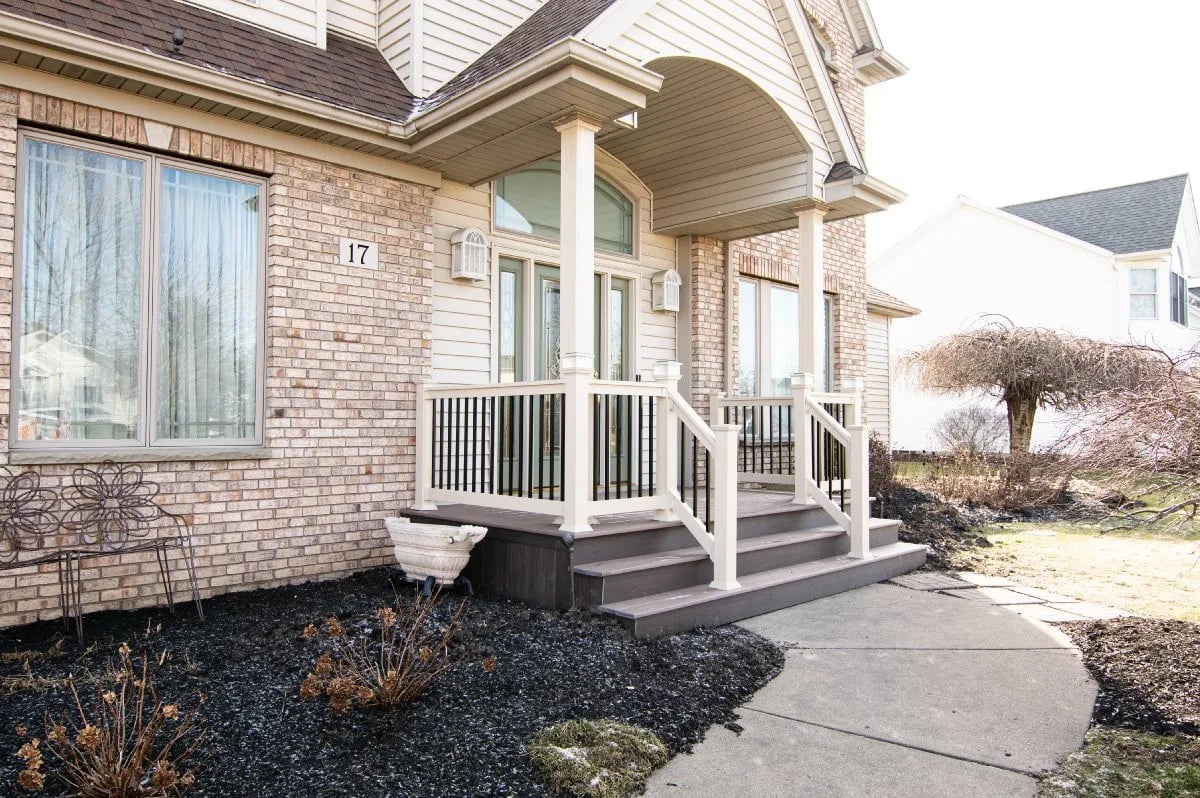
- Vinyl: A popular choice for its low maintenance, durability, and resistance to rot, rust, and pests. While the initial investment might be comparable to or slightly higher than some wood or basic metal options, vinyl often saves money in the long run by eliminating the need for frequent painting or repairs.
Other Cost Factors:
- Linear Footage: The longer the railing, the higher the material and labor costs.
- Design Complexity: Intricate designs, custom patterns, or curved sections will increase costs compared to straight, standard designs.
- Labor: Installation costs vary based on the complexity of the job and local labor rates. Removing and disposing of the old railing will also add to the overall cost.
- Permits: Some projects, especially for exterior railings or those involving structural changes, may require building permits, which have associated fees.
Given these variables, the best way to get an accurate estimate for your specific project is to obtain a detailed quote. Many companies, including The Vinyl Outlet, offer free, no-obligation consultations to assess your needs and provide a precise cost breakdown. This allows you to explore options and understand the investment required before committing to the project.
Can rusted wrought iron be repaired?
Yes, rusted wrought iron can often be repaired, but the feasibility and extent of the repair depend heavily on the severity of the rust. Minor surface rust, if caught early, is typically quite manageable. This usually involves cleaning the affected area thoroughly with a wire brush or sandpaper to remove all loose rust, applying a rust-inhibiting primer, and then repainting with an appropriate outdoor metal paint. This process can restore the appearance and offer some protection against future corrosion.
However, if the rust has progressed beyond the surface and has started to pit or eat away at the metal, compromising its structural integrity, repair becomes much more challenging and potentially less effective. Deep rust can weaken the iron, making it brittle and unsafe, especially if the railing is load-bearing or intended for safety. In such cases, patching or welding new sections might be possible, but it requires specialized skills and equipment, and the repaired section may not be as strong or durable as the original, uncorroded material. For severe structural rust, replacement is often the safer and more cost-effective long-term solution.
When considering alternatives to traditional wrought iron, especially if you're tired of dealing with rust, modern materials like vinyl offer significant advantages. Vinyl railings are completely impervious to rust, rot, and insect damage, requiring minimal maintenance beyond occasional cleaning. This makes them an excellent, long-lasting, and aesthetically pleasing option for homeowners looking to avoid the ongoing battle against corrosion.
How can I update an old stair railing?
Updating an old stair railing can dramatically refresh the look and feel of your home's interior or exterior. There are several approaches you can take, ranging from simple cosmetic changes to a complete replacement, depending on your budget, the railing's condition, and your desired aesthetic.
Cosmetic Updates:
- Paint or Stain: A fresh coat of paint or stain can work wonders. Dark colors can create a modern, dramatic look, while lighter shades can brighten a space. Ensure you properly prepare the surface by cleaning, sanding, and priming for a durable finish.
- Replace Balusters: If the main newel posts and handrail are in good condition, consider replacing just the balusters. You can swap out outdated wooden spindles for sleek metal ones, or choose more decorative wooden designs. This can significantly change the railing's style without a full overhaul.
- Add Decorative Elements: For a more traditional look, you might add decorative caps to newel posts or incorporate subtle embellishments. For a modern touch, consider adding small LED lights along the handrail or at the base of the balusters.
Partial or Full Replacement:
- New Handrail or Newel Posts: Sometimes, just replacing the handrail or the main newel posts can give the entire system a fresh look. You can choose a different material or a more contemporary profile.
- Complete Railing System Replacement: This is the most impactful update. If your current railing is structurally unsound, severely outdated, or you simply want a completely new look, replacing the entire system is the best option. This allows you to choose modern materials and designs that perfectly match your home's aesthetic.
For a low-maintenance, durable, and stylish update, consider replacing your old railing with a vinyl system. Vinyl railings, like those offered by The Vinyl Outlet, provide a sleek, contemporary look that won't rot, rust, or require constant repainting. They come in various styles and colors, offering a beautiful and long-lasting solution that enhances both the safety and curb appeal of your stairs, making them an excellent long-term investment.
Replacing old railings is a significant step towards enhancing your home's safety, value, and aesthetic appeal. Whether you're upgrading for safety, curb appeal, or simply to modernize your space, choosing the right materials and professional installation is key to a successful project.
If you're ready to explore durable, low-maintenance, and beautiful railing options for your home, we invite you to connect with the experts at The Vinyl Outlet. We specialize in high-quality vinyl railing systems designed to stand the test of time. Contact us today for a free quote and let us help you transform your home with a railing solution that combines style, safety, and lasting performance.