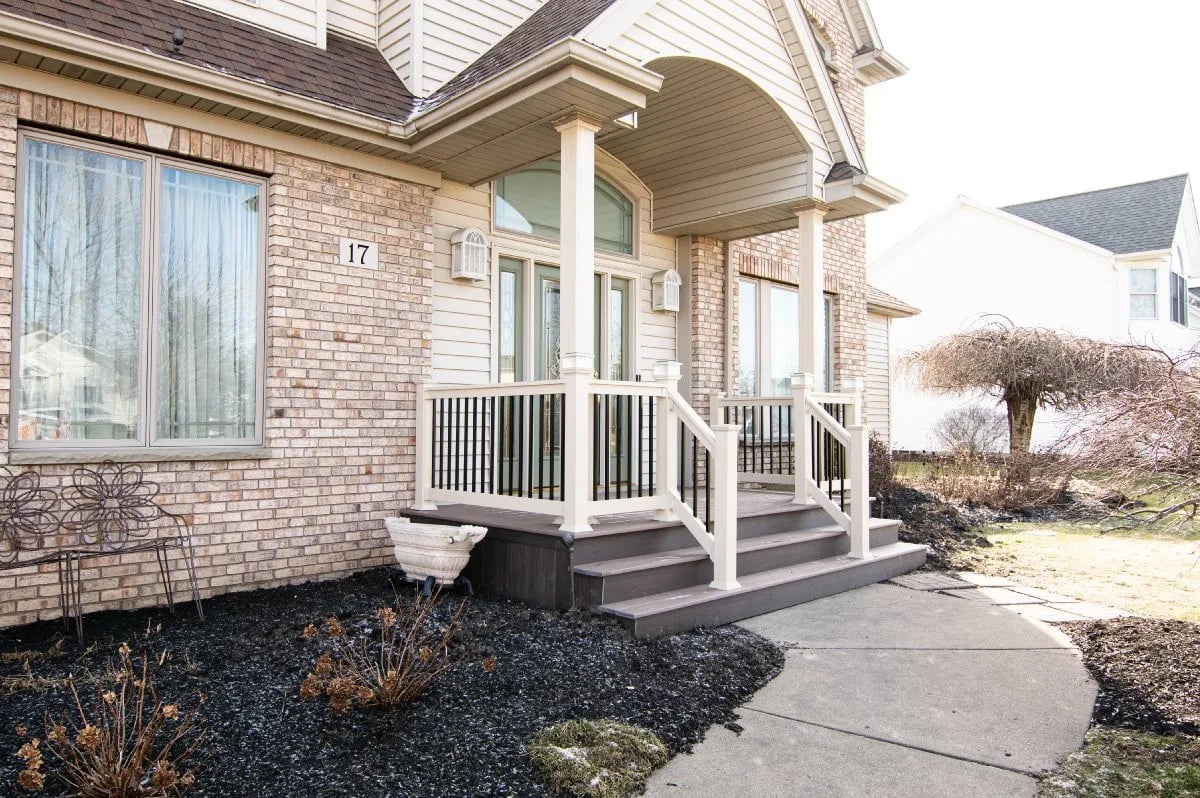
Choosing the right material for your new deck is a significant decision, impacting not only the aesthetics of your outdoor space but also its long-term durability, maintenance, and overall value. For many homeowners, the debate often comes down to vinyl decking vs. wood. Both options offer distinct advantages, and understanding these differences is key to making an informed choice that aligns with your lifestyle and budget.
At The Vinyl Outlet, we believe in empowering our customers with knowledge. This comprehensive Q&A post addresses some of the most common questions and concerns people have when comparing vinyl and wood decks, helping you navigate the decision-making process with confidence. Let's dive into the details and uncover what makes each material unique.
What are the disadvantages of vinyl decking?
While vinyl decking offers numerous benefits, it's important to consider all aspects to ensure it's the right choice for your home. One of the primary considerations for many homeowners is the initial upfront cost. Vinyl decking typically has a higher material cost per square foot compared to traditional pressure-treated wood. However, this initial investment is often offset by significant long-term savings on maintenance, repairs, and replacement over its lifespan.
Another potential disadvantage can be the perception of its aesthetic. While modern vinyl decking comes in a wide array of colors and textures, including options that convincingly mimic natural wood grain, some purists still prefer the authentic look and feel of real timber. For those seeking a truly natural, rustic appearance, vinyl might not fully capture that specific aesthetic.
Finally, darker colors of vinyl decking can absorb and retain more heat under direct sunlight than lighter colors or natural wood, potentially making the surface hotter to the touch on intensely sunny days. This is a common characteristic of many synthetic materials. Despite these points, the overwhelming advantages in terms of durability, low maintenance, and longevity often make vinyl decking a superior choice for many homeowners seeking a long-lasting, worry-free outdoor living space.
How much does a 300 sq ft Trex deck cost?
When considering the cost of a new deck, especially for a specific size like 300 sq ft, it's important to understand that pricing can vary significantly based on several factors. While Trex is a well-known brand for composite decking, and we specialize in high-quality vinyl decking, the principles of cost estimation remain similar across different materials.
The total cost of a deck project is influenced by:
- Material Choice: Even within composite or vinyl options, there are different product lines with varying features, aesthetics, and price points.
- Deck Design Complexity: A simple, rectangular ground-level deck will cost less than a multi-level design with intricate railings, built-in seating, or custom features.
- Site Preparation: The condition of your yard, accessibility, and any necessary grading or foundation work can impact labor costs.
- Railings and Accessories: The type of railing (vinyl, aluminum, glass), stairs, lighting, and other add-ons will contribute to the overall price.
- Installation Labor: Labor rates can vary based on project complexity and regional factors.
Because of these variables, providing a precise figure without a detailed assessment is impossible. For an accurate estimate on a 300 sq ft deck built with our premium vinyl decking materials, we highly recommend getting a personalized quote. We offer free, no-obligation consultations to discuss your specific vision and provide a detailed breakdown of costs tailored to your project.
How long will a vinyl deck last?
One of the most compelling advantages of choosing vinyl decking is its exceptional longevity and durability. Unlike traditional wood decks, which are susceptible to rot, insect infestation, warping, splintering, and fading over time, vinyl decking is engineered to withstand the elements for decades with minimal degradation.
A well-installed vinyl deck can typically last 25 to 30 years or even longer. This impressive lifespan is due to the inherent properties of vinyl (PVC), which is resistant to moisture, UV radiation, and pests. It doesn't require sealing, staining, or painting, which are regular maintenance tasks essential for preserving a wood deck. This not only saves you significant time and money on upkeep but also ensures your deck maintains its beautiful appearance year after year.
While wood decks often show signs of wear and tear, such as cracking or discoloration, within 10-15 years, requiring costly repairs or even full replacement, vinyl decking maintains its structural integrity and aesthetic appeal for a much longer period. This extended lifespan, combined with its low maintenance requirements, makes vinyl decking an incredibly cost-effective and convenient choice in the long run.
Making the right choice for your outdoor living space is a big decision, and we hope this Q&A has shed some light on the benefits of vinyl decking compared to wood. If you're ready to explore the possibilities for a beautiful, long-lasting, and low-maintenance deck for your home, The Vinyl Outlet is here to help.
We invite you to reach out to our team of experts for a free quote. Let us help you design and build the deck of your dreams, providing unparalleled quality and service.